
It gives us a minute to slow down and look at everything that has happened during the season, the good bits and the bad, and to begin to put in place any changes that we think we need.
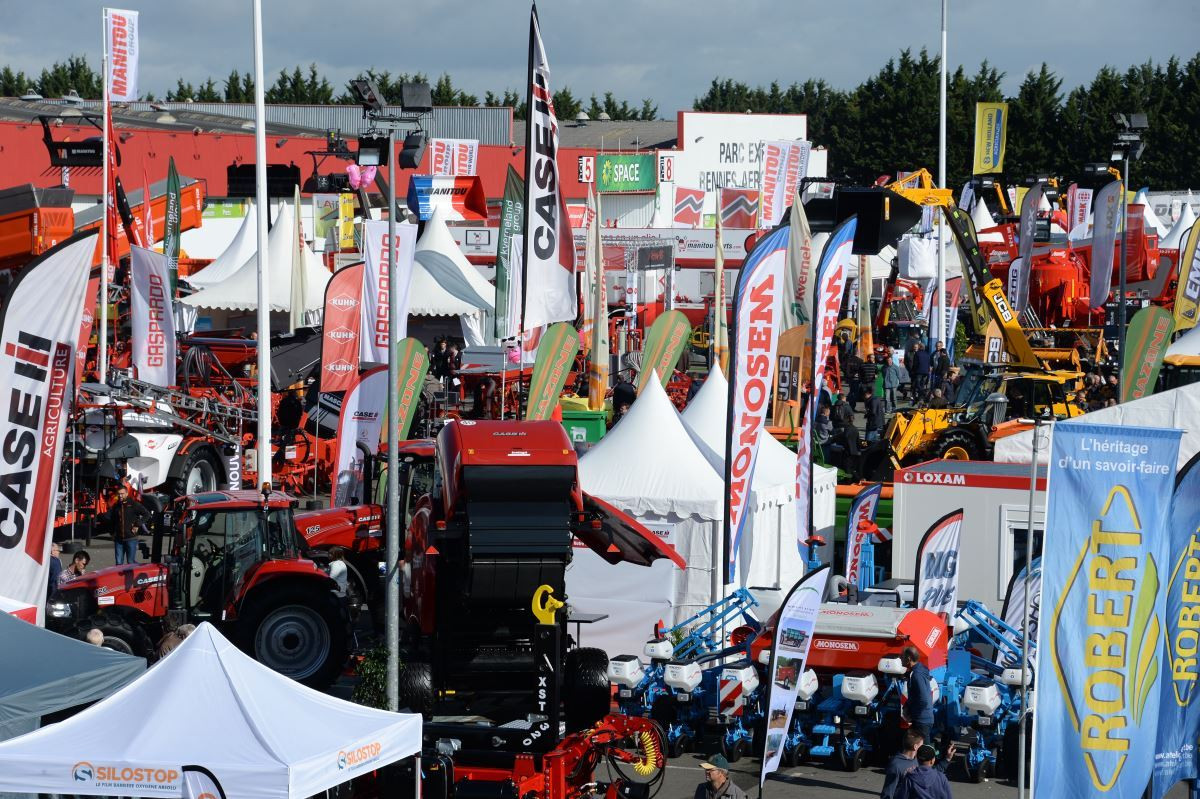
I have taken the opportunity to travel to Rennes in France for the “Space show”, which despite its name, has nothing to do with rockets! It is a huge agricultural show with hall after hall of equipment and innovative ideas. I was there mainly to look at automation equipment for the hatchery and rearing sheds, but found myself wandering around huge bits of agricultural machinery and being mesmerised by robots milking cows.
Despite the language barrier, I did eventually find the poultry hall where rows of feeders, drinkers, fans, vents and everything in between awaited me. The chicken industry has adopted many new technologies over the last few decades and the newest and best were all there to see.
As a game farmer I have a choice as to how I rear my poults. Either I can use trusted methods of production that have stayed the same for generations or I can adopt and adapt new technologies. I choose to go somewhere in the middle. I am not yet ready to take the leap of faith and to install underfloor heating or fully automated environmental control systems, but I am happy to look at automatic feeders, nipple drinkers, ventilation equipment and medication equipment. I believe having these labour saving machines not only reduces costs, but enables us to produce better quality poults.

A major driver for this has been the voluntary reduction in antibiotic usage. We have found that by starting with strong disease free chicks, placed into clean and sterile environment, with correct ventilation and clean water we are using far less antibiotics. However, if they do need to be administered, then we can do that at exactly the right rate for the complete course of treatment.
My main reason for the trip was to look at automatic candling machines for the new hatchery. These are able to shine a light through the egg and determine firstly whether there is an embryo in there and secondly if it is still alive. Suction cups then descend and remove the unviable eggs which are discarded whilst those with living chicks go back into the incubator or are transferred into the hatchers. The benefits of this are that you can remove the stale eggs before they become “bangers” spreading bacteria around the incubator and also that only viable eggs go into the hatchers.

The adoption of new technologies is only limited by budget and imagination! However, it is my belief that if we are to continue producing birds in a sustainable and efficient way with the multitude of conditions placed upon us by environmental and health activists, that we must look to other industries for inspiration.
Comments
Loading comments…
Post a comment
to post a comment.